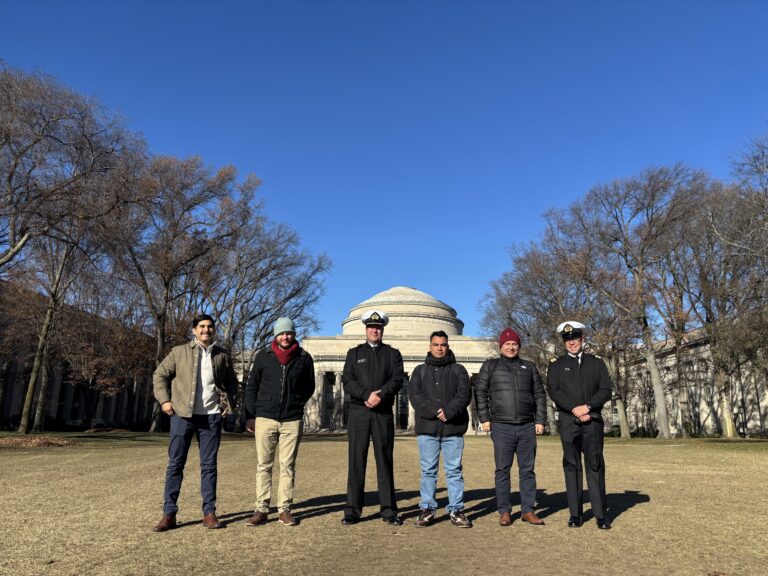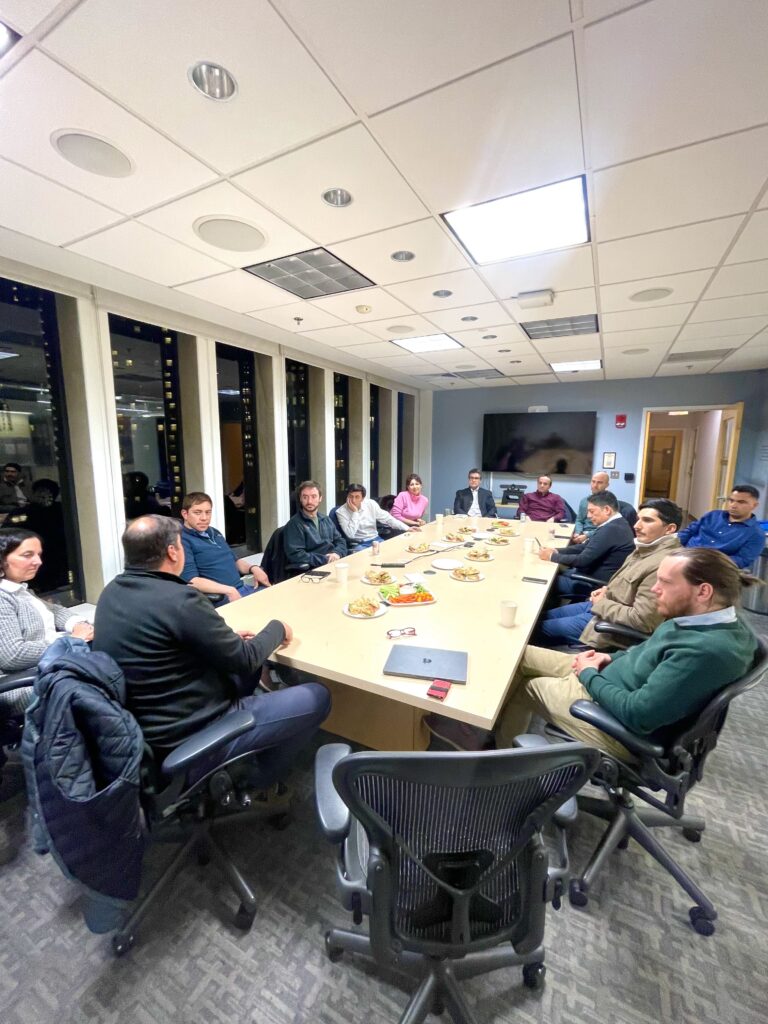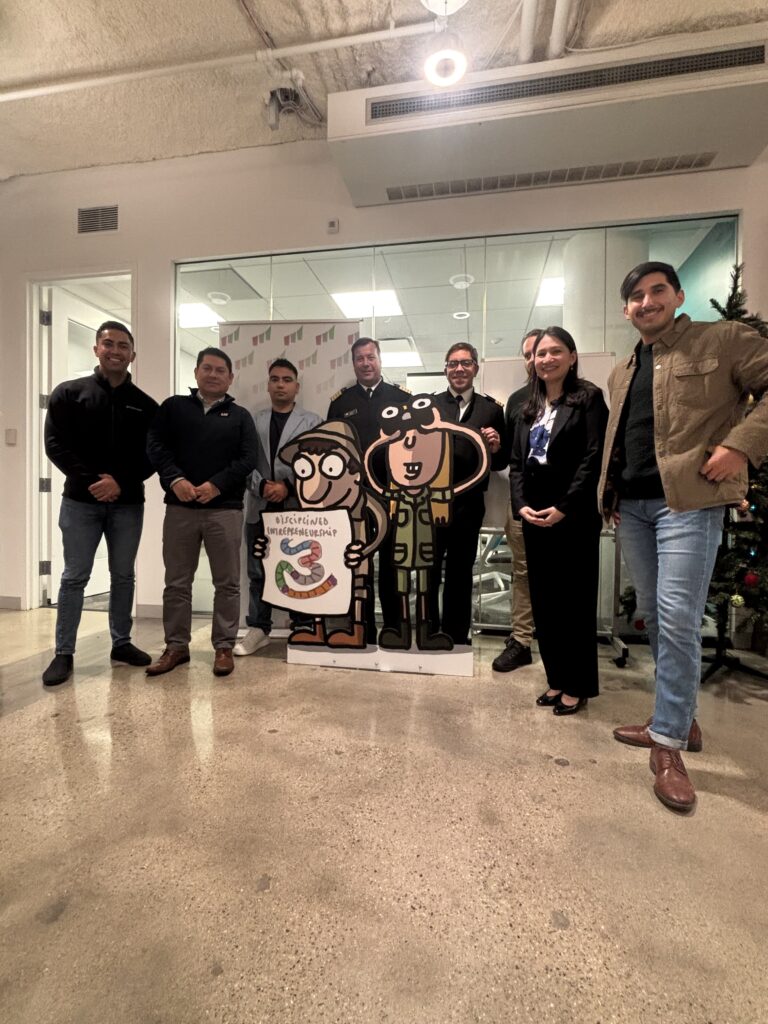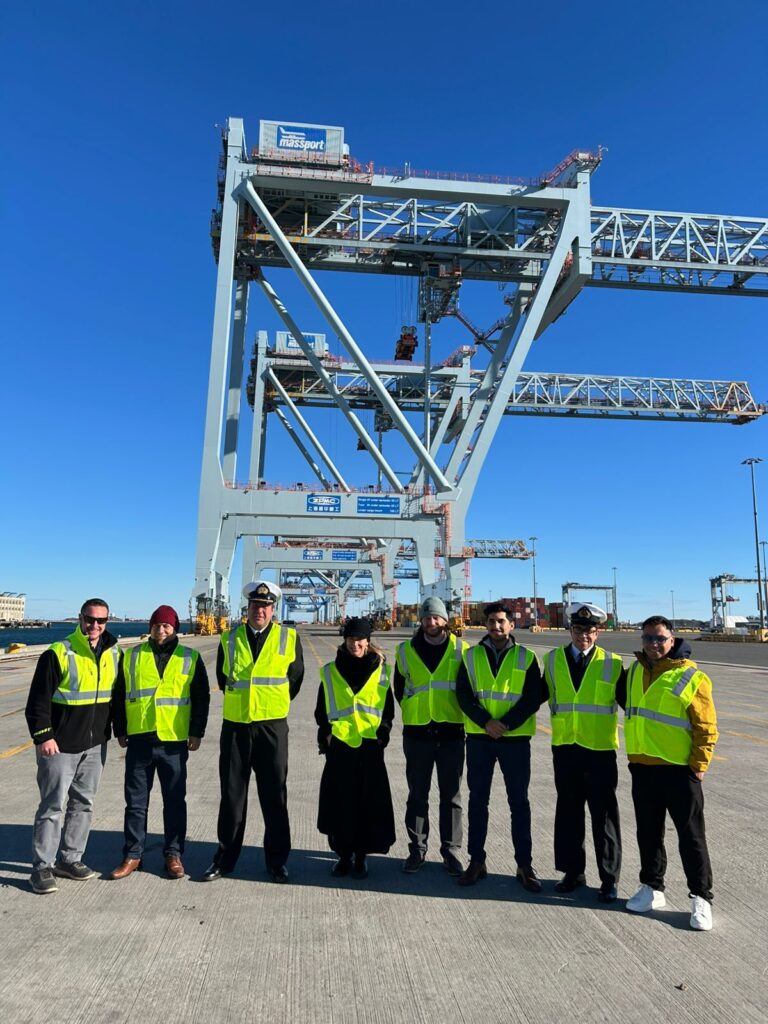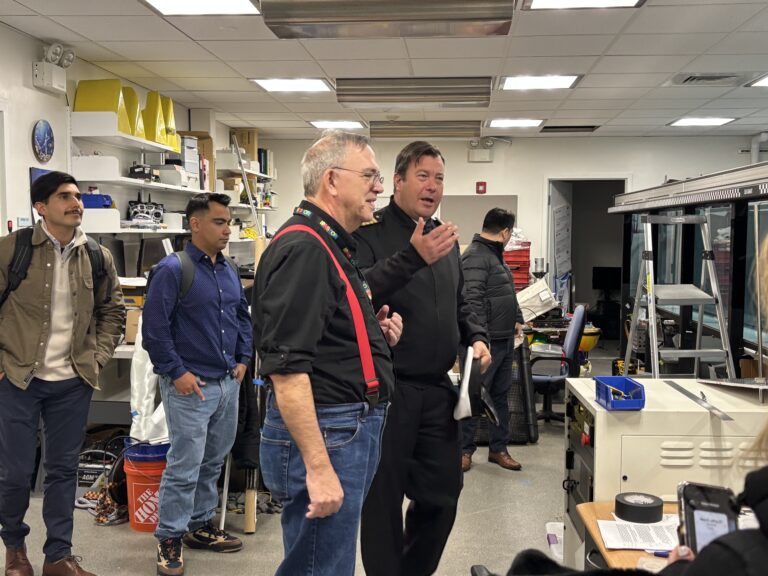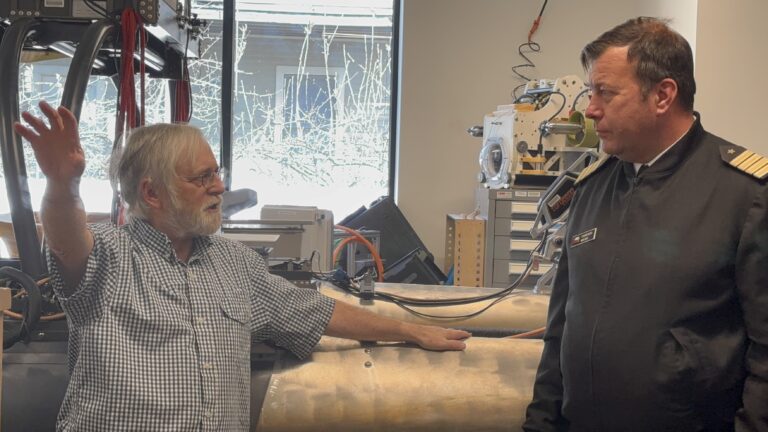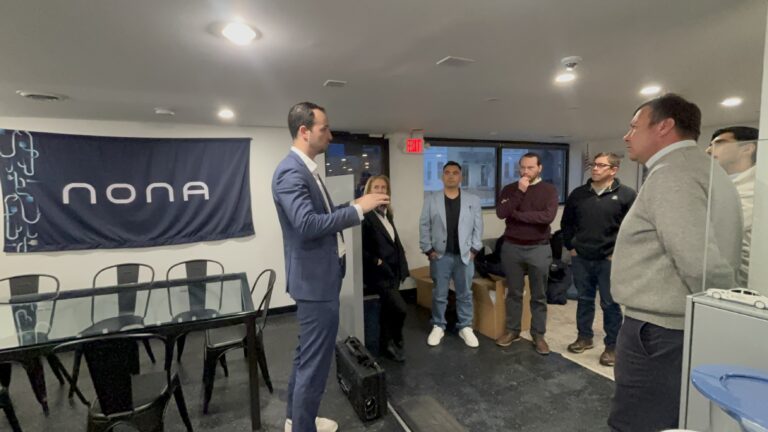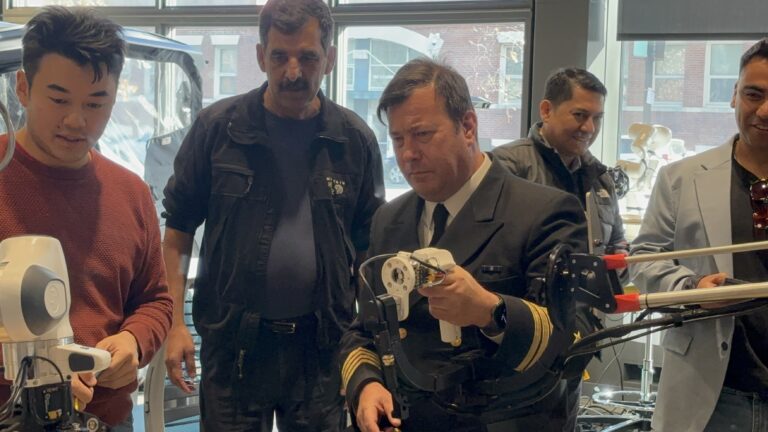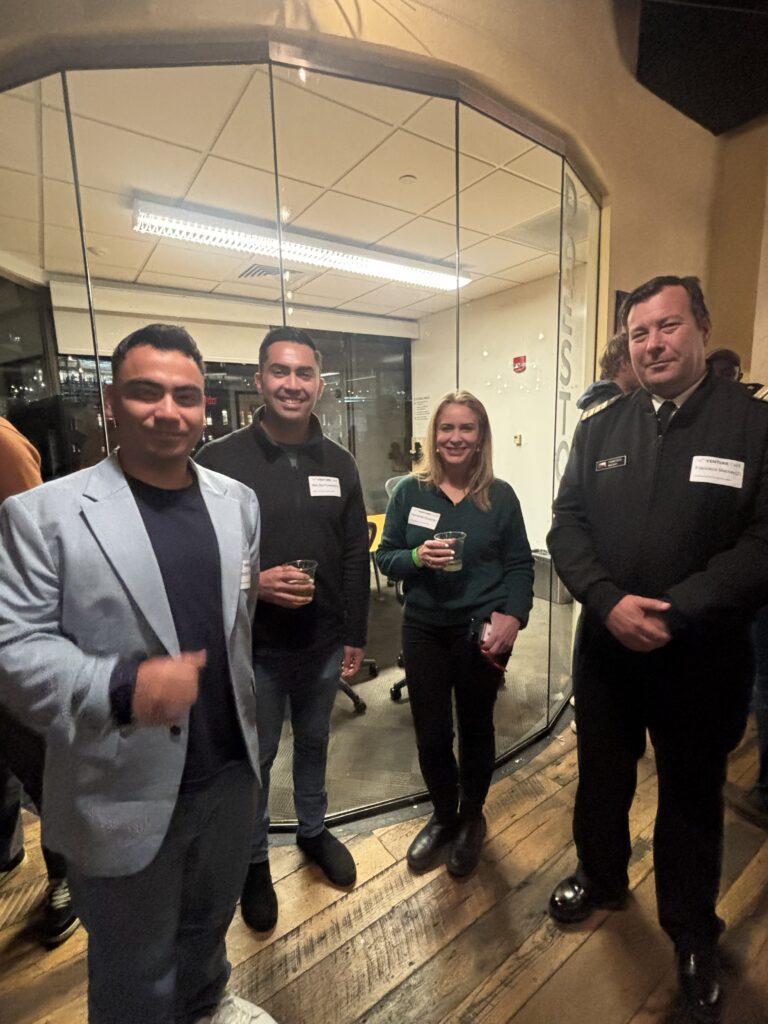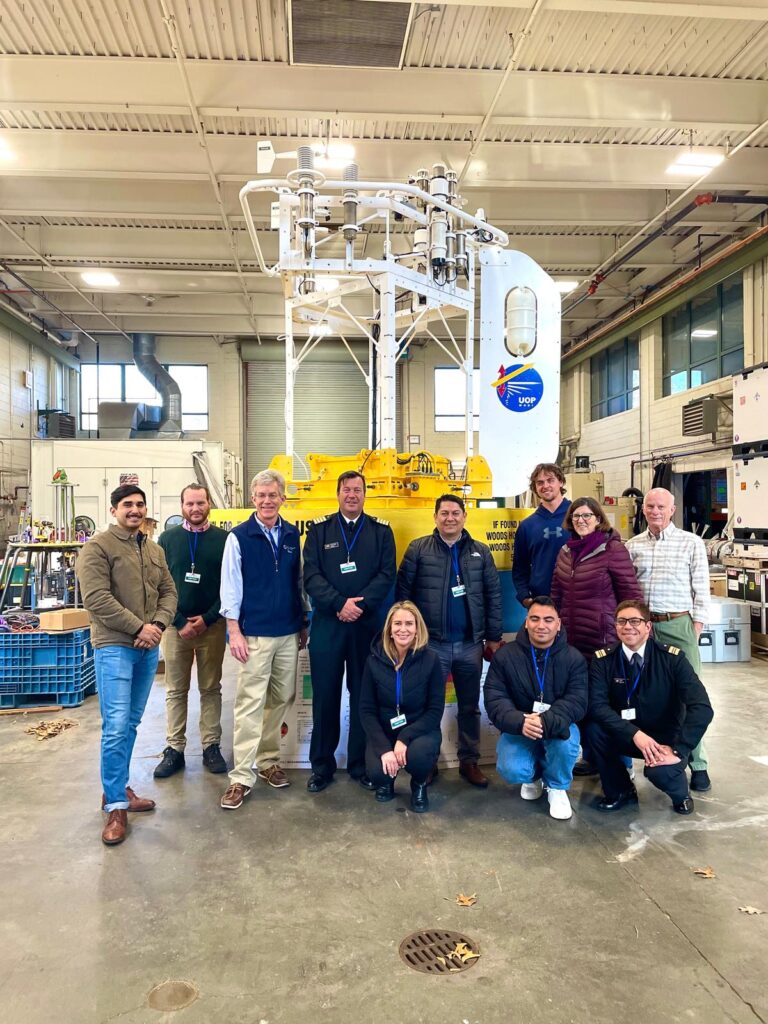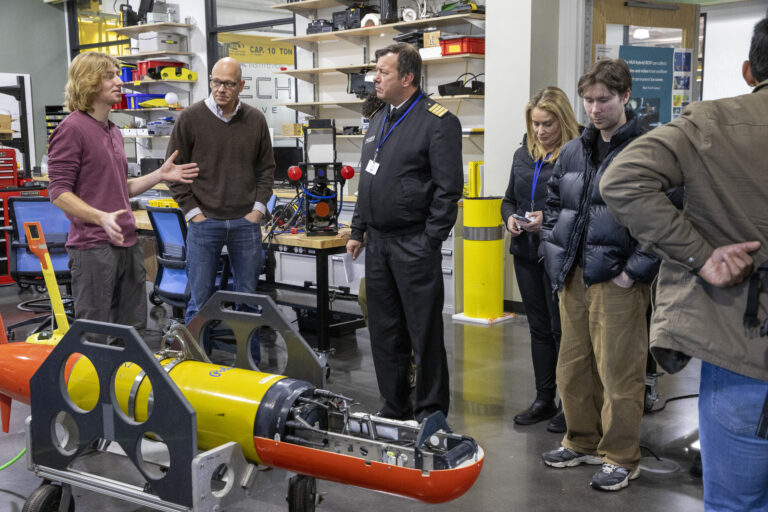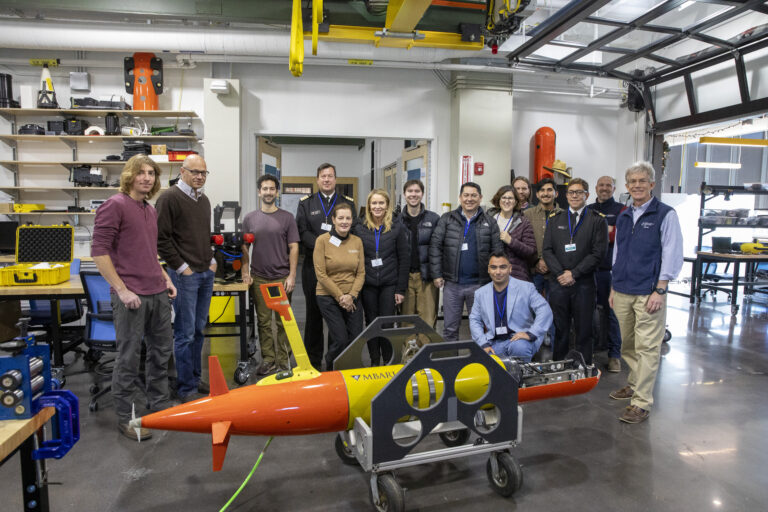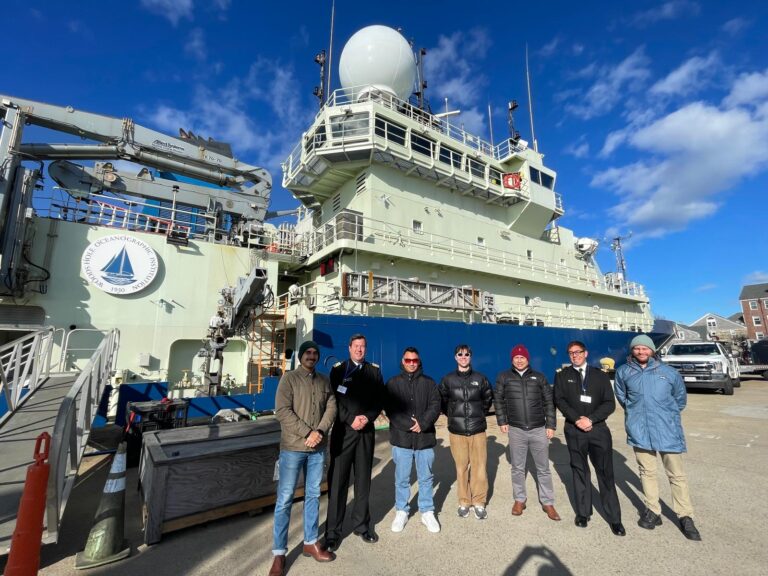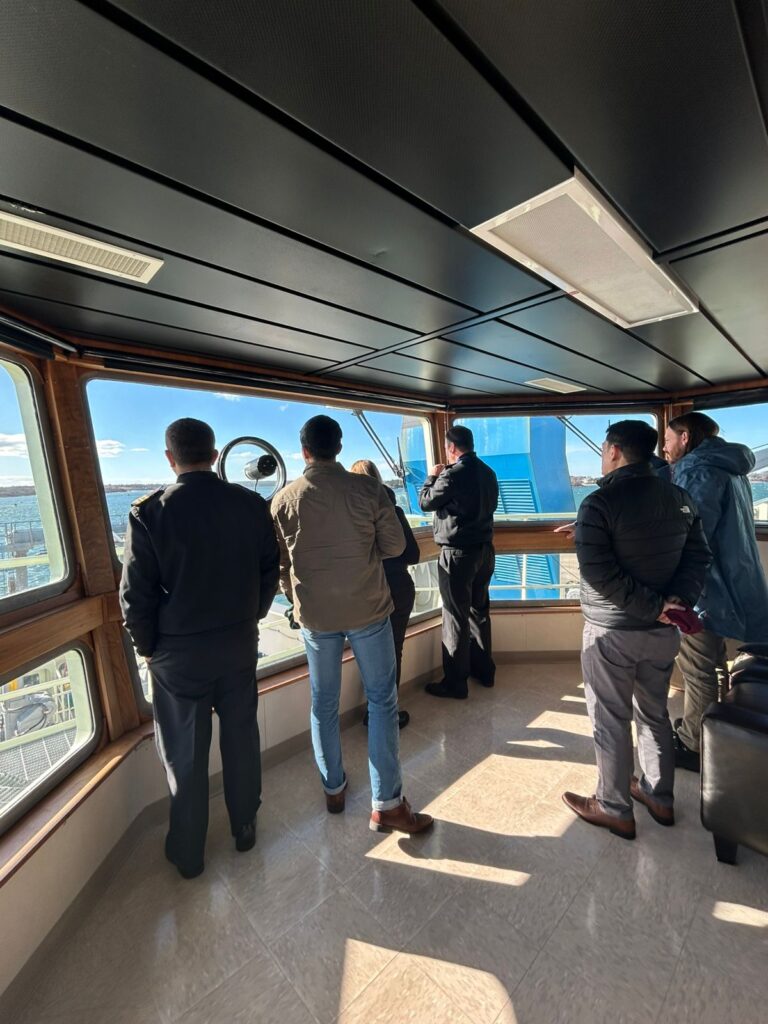

A delegation from the Technological Innovation Center of the Chilean Navy (CITA), together with Know Hub Chile and finalist startups from the Avante Challenge, completed a week-long Chilean Navy delegation to Boston, aimed at strengthening institutional capabilities and identifying concrete opportunities for international collaboration in naval, maritime, and applied innovation.
The visit was designed and coordinated by ChileMass, through a curated agenda that enabled the delegation to engage with universities, research centers, public agencies, startups, and ecosystem builders across the Boston area. The program offered firsthand insight into how innovation ecosystems translate research, technology, and entrepreneurship into real-world deployment.
Strengthening public innovation with a dual-use approach
This Chilean Navy delegation to Boston was carried out within the framework of Chile’s Public Technological Institutes Strengthening Program (ITP), led by CORFO, which seeks to enhance the internal management capacities of public innovation institutions such as CITA, strengthen their research and technology programs, expand strategic partnerships, and foster a culture of innovation focused on delivering public goods with a dual-use perspective—benefiting both national defense and civilian industry.
Within this context, the Avante Challenge, organized annually by CITA in coordination with Know Hub, plays a central role by connecting real naval and maritime challenges with high-impact, technology-based startups, accelerating solutions with both civil and defense applications.
A delegation connecting institutions, startups, and ecosystems
The delegation was led by Captain Francisco MacKay, Director of CITA; Lieutenant Commander Juan Francisco Segura, Head of Programs at CITA; Taky Parvex, representing Know Hub; and the three finalist startups of the 2025 Avante Challenge: Bosses, Centro de Innovación Moderniza, and Mine Analytics.
Throughout the Chilean Navy innovation visit to Boston, the group visited leading institutions across the region, including multiple centers within the Massachusetts Institute of Technology, Northeastern University, Greentown Labs, Whales Spotter, SeaAhead, the Massachusetts Clean Energy Center, the Woods Hole Oceanographic Institution, and the Massachusetts Port Authority.
Discussions focused on marine robotics, ocean technologies, logistics and port operations, clean energy, artificial intelligence, and venture creation, with a strong emphasis on applied collaboration, pilot opportunities, and technology validation in real operational environments.
“This trip was an extremely enriching experience—not only because it allowed us to learn from one of the world’s most relevant innovation ecosystems, but also because it enabled direct contact with organizations and centers with strong potential for future strategic partnerships,” said Juan Francisco Segura, Lieutenant Commander and Head of Programs at CITA.
He emphasized that the value of the visit extends well beyond institutional learning.
“These exchanges open opportunities not only to strengthen CITA itself, but also to support startup development, joint methodologies, and binational projects that benefit both Chile and the United States. This includes the connections explored with Northeastern University’s Roux Institute, with potential impact in the Valparaíso region, as well as opportunities identified at WHOI in oceanographic innovation across both coastlines.”
Building international pathways for dual-use technologies
From Know Hub’s perspective, the Chilean Navy delegation was also critical for strengthening international connectivity and future market pathways.
“For us at Know Hub, this visit was essential because it allowed us to directly connect with—and learn from—what is happening in Boston around dual-use technologies, particularly in robotics and ocean research,” said Taky Parvex, Know Hub representative.
“The tour enabled concrete connections with scientists, engineers, incubators, venture funds, public agencies, and even potential customers, significantly expanding international projection opportunities for the startups and programs linked to the Avante Challenge.”
A strategic opportunity for Valparaíso’s maritime future
One of the key strategic dimensions of the visit was its alignment with the Valparaíso Blue Port Region initiative, which aims to position the region not only as a port, but as a living platform for piloting, validating, and scaling maritime technologies internationally.
The Boston experience provided tangible reference points for how ports, universities, startups, and the public sector can work together around real operational challenges—offering valuable lessons for the future development of Chile’s maritime and naval innovation ecosystem.
From ChileMass, the visit was highlighted as a clear example of long-term, impact-driven collaboration.
“Boston became a real-world laboratory for understanding how maritime innovation moves from vision to execution—and how Chile can accelerate that journey through the right global partnerships,” said Fernanda Soza, Executive Director of ChileMass.
“This agenda was possible thanks to a network of collaboration we have built over many years, enabling access to top-tier institutions, experts, and startups, and allowing for deep, applied conversations around dual-use technologies, smarter and more sustainable port operations, ocean monitoring, and global scaling opportunities for Chilean startups.”